
Case Study: Success Stories with Wearable Technology in Healthcare


Introduction to Wearable Technology in Healthcare
In recent years, wearable technology has transformed the healthcare industry by offering innovative solutions for patient monitoring and health management. From fitness trackers to advanced medical devices, these technologies have opened new avenues for improved patient care and personalized treatment.
In this case study, we explore some of the most remarkable success stories that showcase the potential of wearable technology in revolutionizing healthcare.
Remote Patient Monitoring
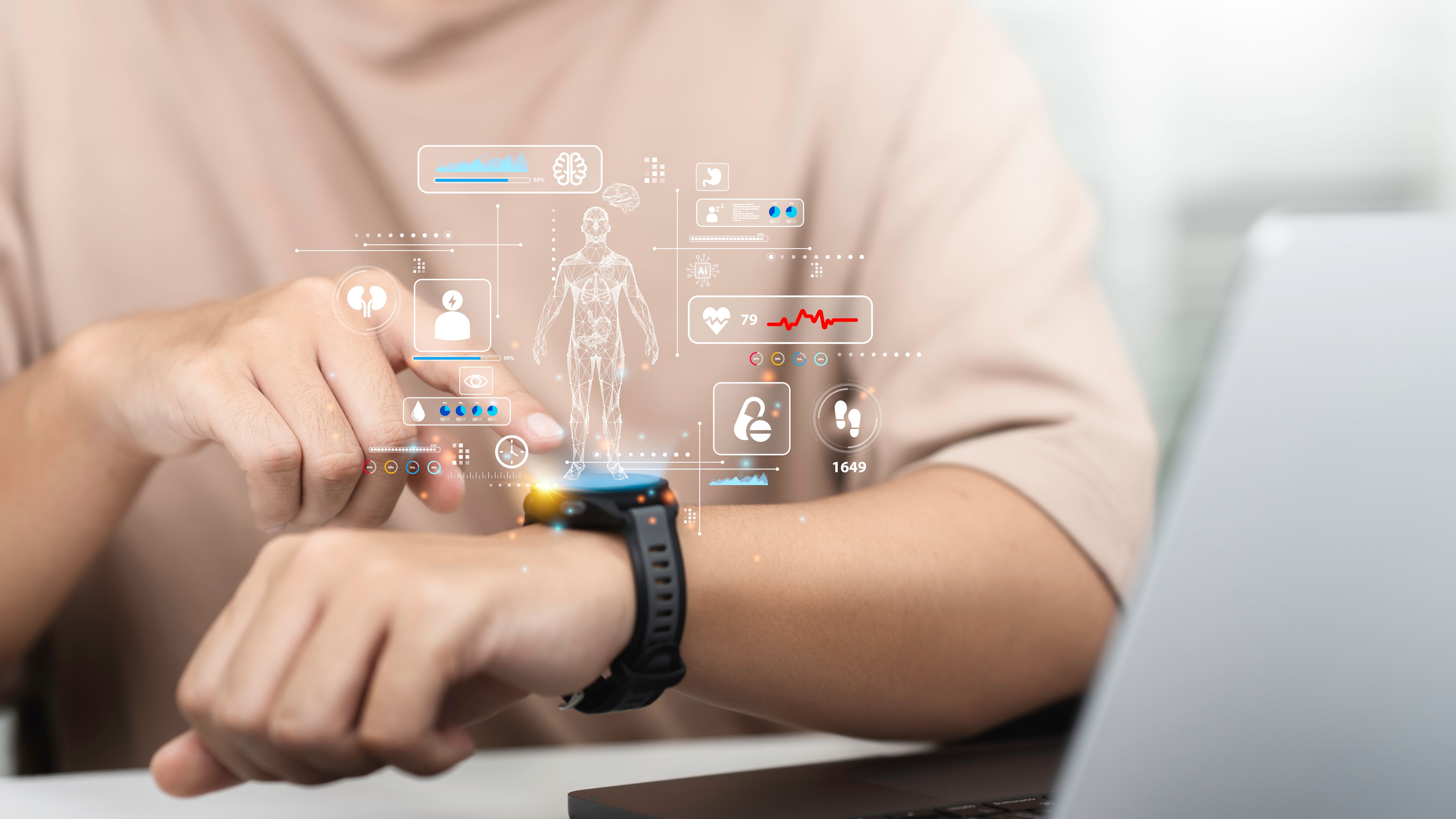
One of the most significant benefits of wearable technology is its ability to facilitate remote patient monitoring. Devices like smartwatches and biometric sensors enable healthcare providers to track vital signs such as heart rate, blood pressure, and oxygen levels in real-time.
For instance, a major hospital implemented wearable devices for patients with chronic illnesses, resulting in a 30% reduction in emergency room visits. This approach allowed doctors to detect early warning signs and intervene promptly, improving patient outcomes.

Chronic Disease Management
Wearable technology has proven invaluable in managing chronic diseases such as diabetes and hypertension. Continuous glucose monitors (CGMs) and smart blood pressure cuffs provide patients with critical data, empowering them to make informed lifestyle choices.
A recent study involving diabetic patients revealed that using CGMs led to a 20% improvement in blood sugar control. This demonstrates the potential of wearables to enhance self-management and reduce complications.
Enhancing Physical Rehabilitation
In physical rehabilitation, wearable devices are revolutionizing how therapists track progress and customize treatment plans. Motion sensors and smart clothing provide detailed insights into a patient's movement patterns and recovery stages.
One rehabilitation center reported a 25% increase in recovery speed for patients using wearable technology. By offering precise data, therapists were able to tailor exercises to individual needs more effectively.

Mental Health Support
Wearable technology is also making strides in mental health care. Devices equipped with stress sensors and mood trackers help individuals monitor their mental well-being and identify triggers.
An innovative app combined with a wearable device has helped users reduce anxiety levels by 15%. The app offers real-time feedback and personalized relaxation techniques, promoting better mental health.
Conclusion
The success stories highlighted in this case study underscore the transformative impact of wearable technology in healthcare. By providing continuous monitoring, personalized insights, and improved patient engagement, wearables are paving the way for a smarter and more efficient healthcare system.
As technology continues to advance, the potential for wearables to enhance healthcare outcomes will only grow, promising a future where patients are more connected and empowered than ever before.