
The $600,000 Disease: The Staggering Lifetime Cost of Type 2 Diabetes
YL
People with diabetes incur average annual medical expenditures of $19,736, of which approximately $12,022 is directly attributable to diabetes — that's about $1,645/month total, or ~$1,002/month just for the disease itself. Even with health insurance, the average person with diabetes spends between $3,300 and $4,600 per year out-of-pocket on medications, provider visits, monitoring supplies, and lost wages — roughly $275–$383/month. Monthly line items include ~$40 for doctor visits and lab work, ~$40 for testing supplies, ~$30 for miscellaneous supplies, plus medication costs — adding up fast for someone on a fixed income. Patients relying on more advanced therapies like insulin plus GLP-1 agonists can spend up to $560/year on medications alone, and self-monitoring blood sugar as recommended can cost over $2,700/year — nearly $225/month just to check your blood sugar. For those without insurance, the picture gets even bleaker — uninsured patients can face costs exceeding $4,200 annually in out-of-pocket medication expenses alone, before a single doctor's visit is counted.
Among people with employer-sponsored coverage, 58% of families with a diabetic member report difficulty affording healthcare or trouble paying medical bills, versus just 38% of families without diabetes in the household. People with diabetes enrolled in large employer plans face annual out-of-pocket costs more than double that of all other enrollees — a compounding burden that squeezes every corner of a family budget. For families on high-deductible health plans, total yearly out-of-pocket exposure can exceed $13,800 for a family — and 40% of those on such plans delay care entirely, leading to worse (and more expensive) outcomes down the line. Families with a diabetic member are significantly more likely to skip doses, cut pills in half, or skip prescriptions entirely — 30% do so, compared to just 17% of non-diabetic households — choices that increase the risk of complications. Factoring in lost productivity, absenteeism, and caregiver time, a family managing one member's Type 2 diabetes can realistically face $25,000–$35,000+ in total annual economic impact, including both direct costs and indirect losses.

People with diagnosed diabetes have medical expenditures 2.6 times higher than what would be expected for a person without diabetes — meaning the disease roughly triples your healthcare spending. A typical healthy American adult spends roughly $500–$700/month on total healthcare (premiums + out-of-pocket); a diabetic adult spending $1,645/month faces a gap of $900–$1,100 more per month — every single month, for life. Chronic complications like heart disease or kidney disease add an average of $650/year in extra costs, and patients with six or more complications can lose an estimated $3,317 in wages annually just from missed workdays. Complications escalate the cost dramatically: treating kidney disease runs $1,800–$9,500/year; once it progresses to kidney failure, costs can exceed $54,000/year — a trajectory a healthy person never faces. Lost productivity — reduced output at work, absenteeism, early disability, and premature death — accounts for $106.3 billion of the national diabetes bill annually, a cost borne not just by patients but by employers and the entire economy.
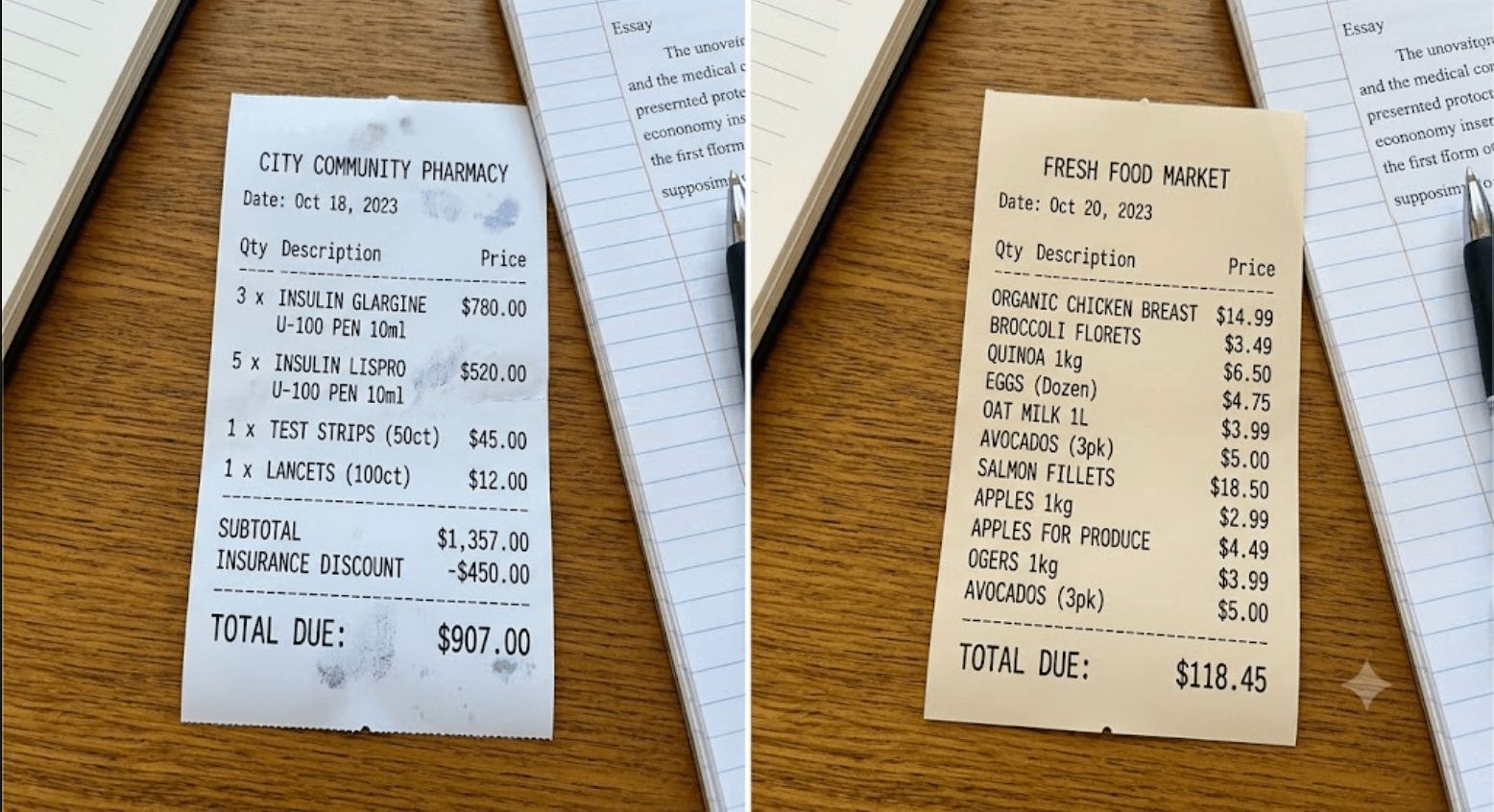
In 2022, diabetes and its related complications accounted for $413 billion in total medical costs and lost wages across the United States — a staggering national burden that keeps climbing. National healthcare costs attributable to diabetes have jumped $80 billion in just 10 years — from $227 billion in 2012 to $307 billion in 2022 in direct costs alone — with no sign of slowing. Care for people with diabetes accounts for 1 in every 4 healthcare dollars spent in the United States — meaning the disease consumes a quarter of the entire healthcare system's resources. If people with diabetes participated in the workforce at the same rates as peers without the disease, there would be 2 million more Americans between ages 18 and 65 working and contributing to the economy. The cost burden falls disproportionately on vulnerable communities — Black Americans with diabetes pay the most in direct healthcare expenditures, and people over 65 with diabetes spend roughly double the per-capita costs of any other adult age group.

A person who develops Type 2 diabetes at age 35 and lives to 65 will spend roughly $1,645/month in total medical expenditures, compared to a healthy peer spending ~$600/month — a monthly gap of ~$1,045. Over 30 years, that monthly gap compounds to a staggering $376,200 in additional lifetime healthcare spending for the diabetic individual alone — just in direct medical costs, before accounting for lost wages or quality of life. For a family of four where one adult has Type 2 diabetes, the differential grows further: factoring in family out-of-pocket increases, higher premiums, lost productivity, and caregiver burden, the 30-year excess cost can easily reach $500,000–$600,000 per family. Projections indicate that between 2015 and 2030, the total annual costs of diabetes in the U.S. will rise by 53% to more than $622 billion — meaning the stakes of prevention are only growing larger with each passing year. The math is unambiguous: preventing one person from developing Type 2 diabetes saves that individual, their family, and the broader healthcare system somewhere between $376,000 and $600,000+ over a lifetime — making prevention not just a health imperative, but the single most powerful financial decision a person can make.