
Top 5 Digital Health Trends Impacting the Wellness Industry


Introduction to Digital Health Trends
The wellness industry is rapidly evolving, thanks to advancements in digital health technologies. These innovations are reshaping how we approach health and wellness, making it more personalized, accessible, and efficient. Let's explore the top five digital health trends impacting the wellness industry today.
1. Telemedicine Revolution
Telemedicine has become a cornerstone of modern healthcare, allowing patients to consult with healthcare professionals from the comfort of their homes. This trend has gained momentum, especially post-pandemic, as it offers unparalleled convenience and accessibility. Patients can now receive expert advice and treatment without the need for physical visits, saving time and reducing healthcare costs.

2. Wearable Technology
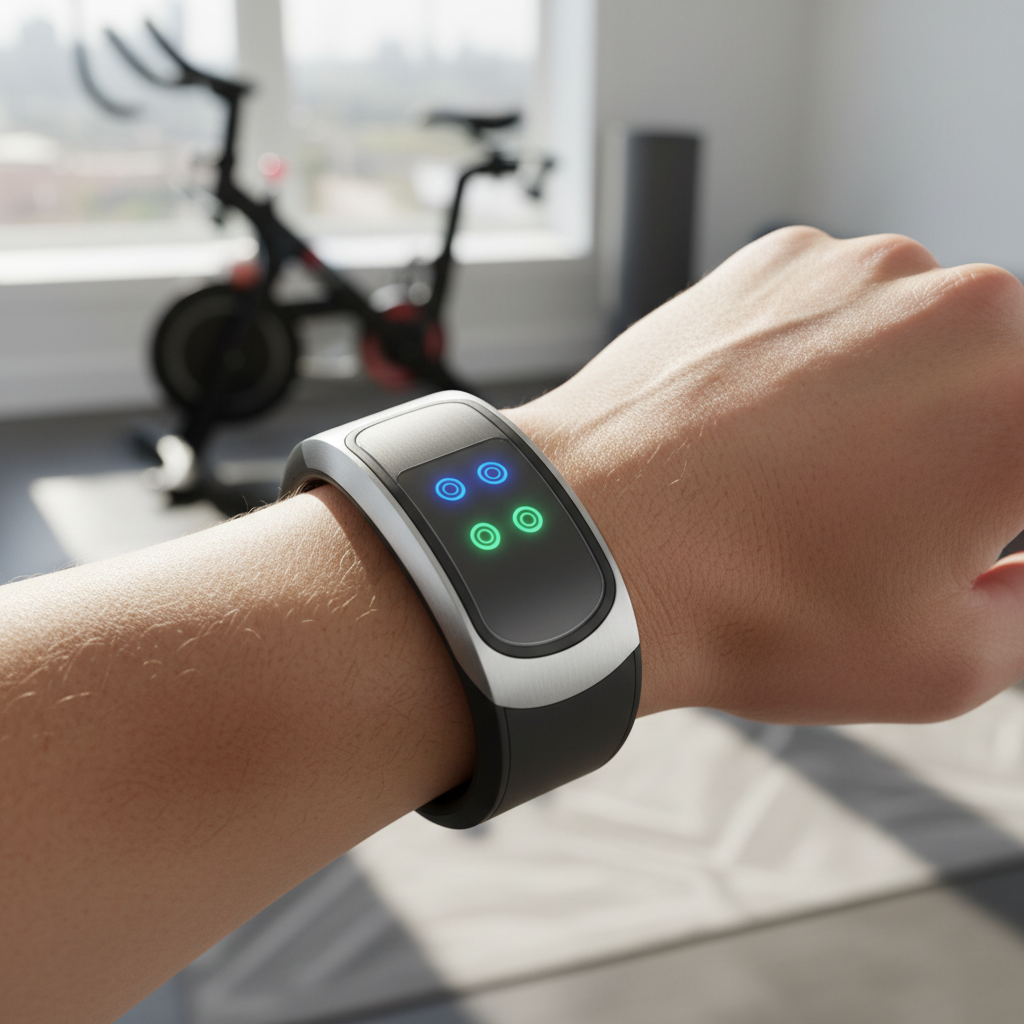
Wearable devices like fitness trackers and smartwatches are increasingly popular. These gadgets monitor vital signs such as heart rate, activity levels, and sleep patterns, providing users with valuable insights into their health. This data empowers individuals to make informed decisions about their lifestyle and wellness goals.
Furthermore, the integration of AI in these devices is enhancing their capabilities, offering personalized health recommendations based on real-time data analysis. This trend is set to grow, with wearables becoming a standard part of everyday life.
3. AI and Machine Learning in Health
Artificial Intelligence (AI) and Machine Learning (ML) are transforming the wellness industry by enabling predictive analytics and personalized health solutions. These technologies analyze vast amounts of data to predict health issues before they become serious, allowing for preventive measures.
AI-driven applications are also offering customized wellness plans tailored to individual needs, ensuring a more effective approach to health management.

4. Virtual Reality in Therapy
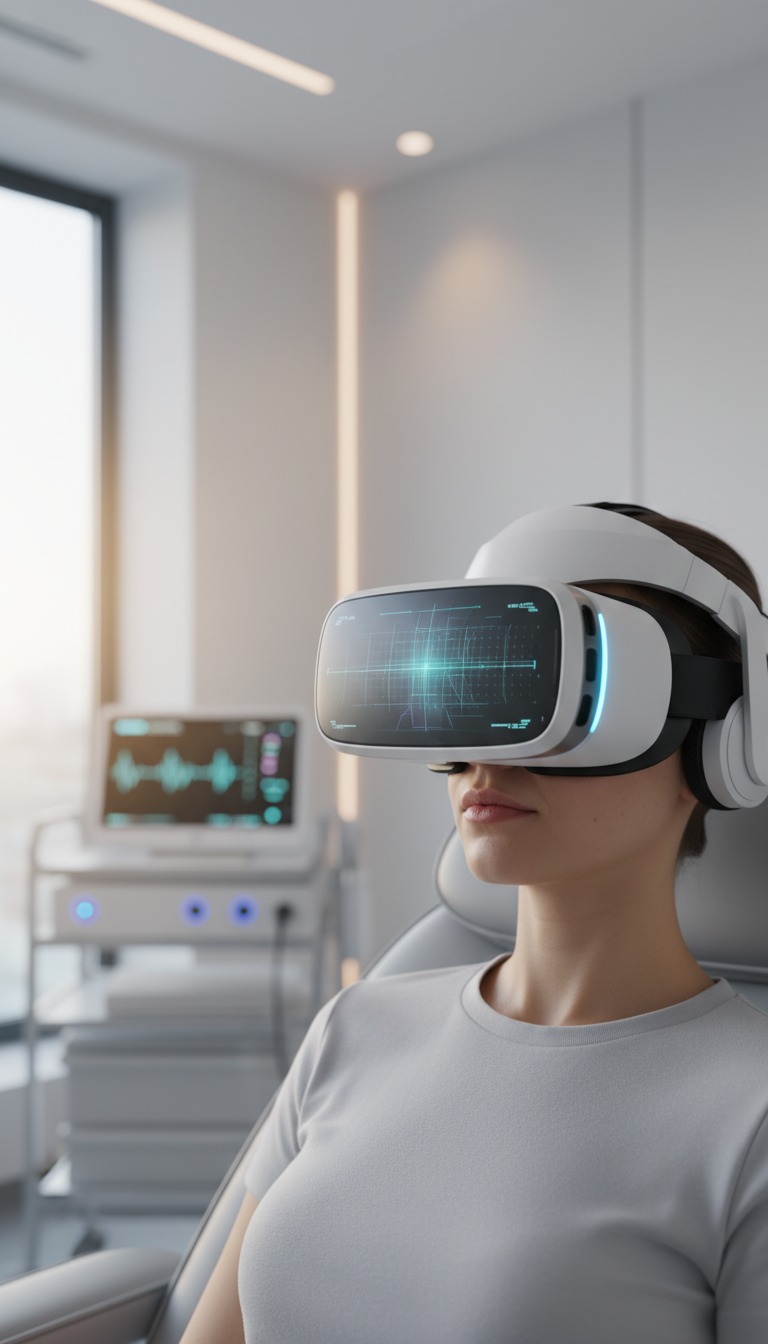
Virtual Reality (VR) is making waves in therapeutic practices, offering immersive experiences for mental health treatment and physical rehabilitation. VR environments help patients manage stress, anxiety, and phobias by providing controlled exposure and relaxation techniques.
This technology is also being used in physical therapy to simulate exercises and monitor patient progress, making rehabilitation more engaging and effective.
5. Health Apps and Digital Platforms
The rise of health apps and digital platforms has democratized access to wellness resources. From meditation guides to nutrition planners, these tools provide users with the resources they need to maintain and improve their well-being.
Such platforms often include community features, enabling users to connect with others on similar wellness journeys, fostering a sense of community and support.
Conclusion
These digital health trends are not only revolutionizing the wellness industry but are also empowering individuals to take charge of their health like never before. As technology continues to advance, we can expect even more innovative solutions that will further enhance our approach to health and wellness.