
Understanding Health Data Analytics: A Comprehensive Guide for Patients


Introduction to Health Data Analytics
In recent years, health data analytics has emerged as a crucial tool in the healthcare sector. As a patient, understanding this field can empower you to make informed decisions about your health. This guide aims to demystify health data analytics, explaining its significance and how it can impact your healthcare journey.
What is Health Data Analytics?
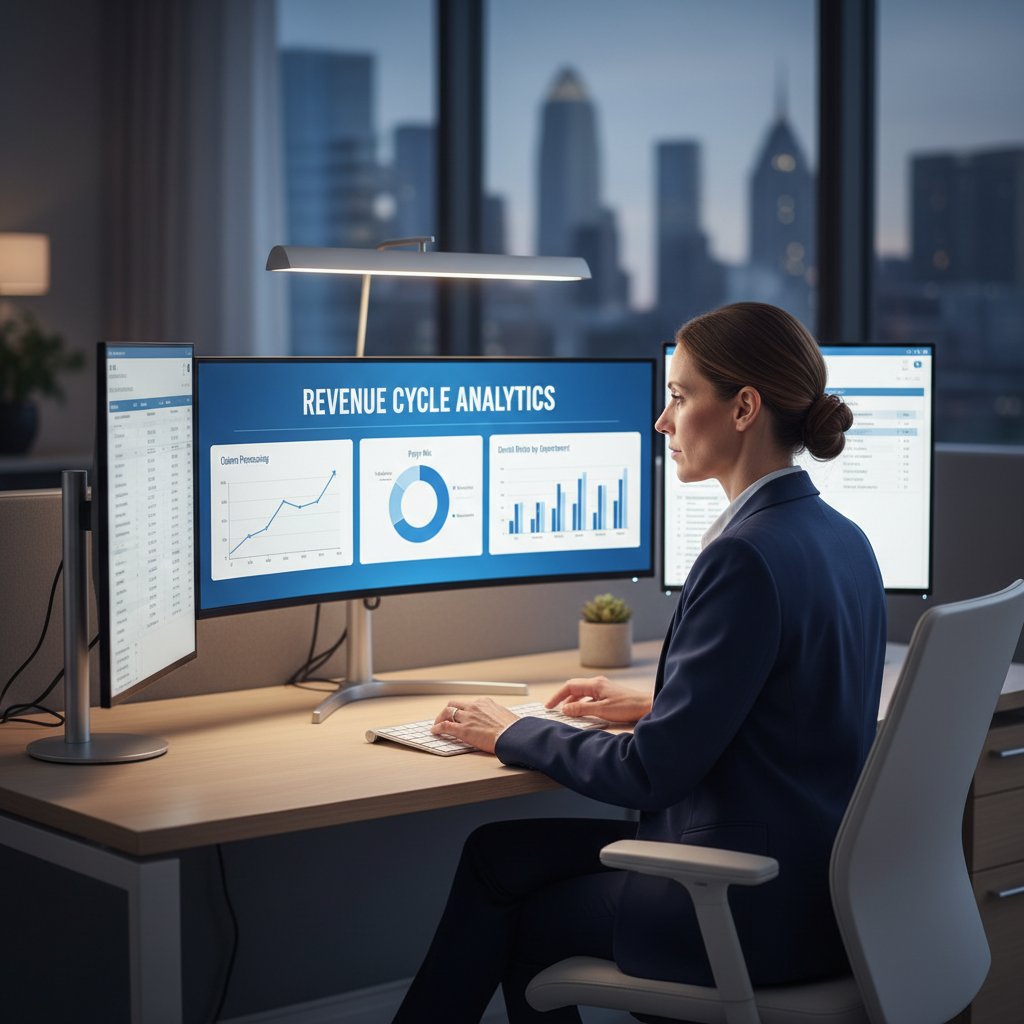
Health data analytics involves the systematic use of data to derive insights and make decisions in healthcare. It encompasses a range of activities, from collecting data to analyzing and interpreting it. The ultimate goal is to improve patient outcomes and streamline healthcare processes.
Types of Health Data
Health data can be broadly categorized into three types:
- Clinical data: Information collected during ongoing patient care.
- Administrative data: Data related to the management of healthcare services.
- Patient-generated data: Information provided by patients themselves, often through wearable devices or health apps.
Benefits of Health Data Analytics for Patients
For patients, health data analytics offers numerous benefits. Firstly, it enables personalized care. By analyzing your unique health data, healthcare providers can tailor treatments to your specific needs. Secondly, it enhances preventive care by identifying risk factors and suggesting lifestyle changes.

Improving Patient Engagement
Health data analytics also fosters greater patient engagement. With access to your own health data, you can actively participate in your healthcare decisions. This transparency encourages a collaborative approach between you and your healthcare provider, leading to better health outcomes.
Challenges in Health Data Analytics
Despite its advantages, health data analytics faces certain challenges. Privacy concerns are paramount, as sensitive health information must be protected from unauthorized access. Additionally, the accuracy of data is critical; incorrect data can lead to misleading conclusions and inappropriate treatments.
Ensuring Data Security
Healthcare organizations are continuously working to enhance data security measures. As a patient, it’s important to understand how your data is protected. Always inquire about the data protection policies of your healthcare providers and take steps to safeguard your own information.

The Future of Health Data Analytics
The future of health data analytics is promising, with advancements in technology driving innovative solutions. Artificial intelligence and machine learning are set to play a significant role, offering deeper insights and predictive capabilities. These technologies will further refine personal care and streamline healthcare processes.
How to Stay Informed
Staying informed about health data analytics is key to leveraging its benefits. Consider attending seminars, reading articles, and discussing with your healthcare provider to understand the latest trends and how they might affect your care. By being proactive, you can better navigate the evolving landscape of healthcare.