
Unlocking the Benefits of Remote Patient Monitoring for Chronic Conditions


Understanding Remote Patient Monitoring
Remote patient monitoring (RPM) is transforming the way healthcare providers manage chronic conditions. By utilizing advanced technology, RPM allows for continuous monitoring of patients' health data without the need for frequent in-person visits. This innovative approach is especially beneficial for those with chronic illnesses such as diabetes, hypertension, and heart disease.
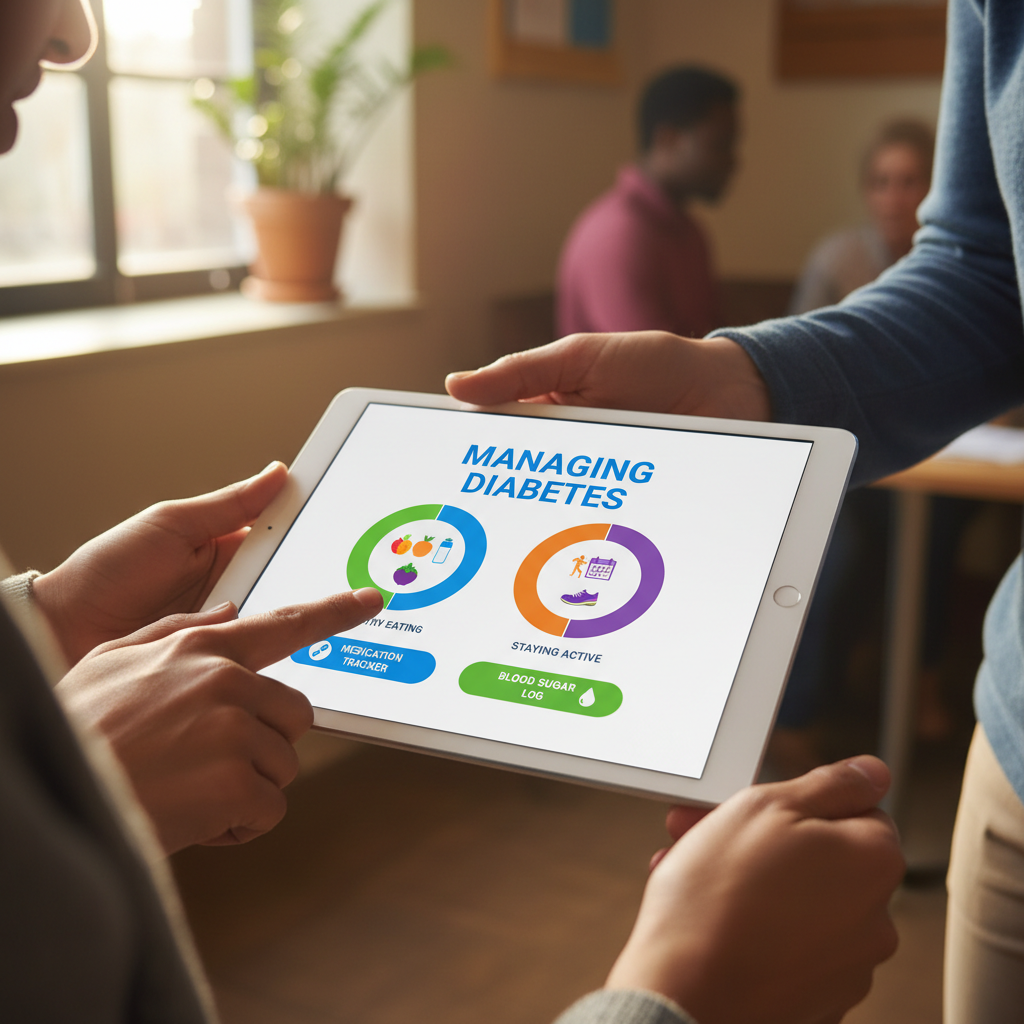
With RPM, healthcare providers can track vital signs, medication adherence, and lifestyle habits in real-time. This not only enhances the quality of care but also empowers patients to take an active role in managing their health.

Improving Patient Outcomes
One of the major benefits of RPM is the improvement in patient outcomes. By enabling continuous monitoring, healthcare professionals can detect potential issues early and intervene promptly. This proactive approach can significantly reduce hospitalizations and emergency room visits, leading to better health outcomes for patients.
Additionally, RPM fosters better patient engagement. When patients have access to their health data, they become more aware of their condition and are more likely to adhere to treatment plans. This increased involvement can lead to improved self-management and overall well-being.
Cost-Effectiveness and Efficiency
Another advantage of RPM is its cost-effectiveness. By reducing the need for in-person visits and hospital admissions, RPM can significantly lower healthcare costs. This is particularly important for patients with chronic conditions who require ongoing care and monitoring.
Moreover, RPM streamlines healthcare delivery. It allows providers to monitor multiple patients efficiently, optimizing time and resources. This efficiency is crucial in today’s healthcare landscape, where demand often outstrips supply.

Technological Advancements Driving RPM
Technological advancements are at the heart of RPM’s success. Devices such as wearable monitors, mobile apps, and cloud-based platforms have revolutionized how data is collected and analyzed. These tools provide accurate, real-time insights into a patient's health, allowing for personalized and timely interventions.
The integration of artificial intelligence and machine learning further enhances the capabilities of RPM. These technologies can predict trends and identify patterns, providing valuable insights that can guide treatment decisions.
Challenges and Considerations
Despite its benefits, RPM is not without challenges. Privacy and data security are paramount concerns, as sensitive health information is transmitted electronically. Ensuring compliance with regulations and implementing robust security measures are essential steps to building trust and maintaining patient confidentiality.
Additionally, there is a need for proper infrastructure and training. Both healthcare providers and patients must be equipped with the necessary tools and knowledge to effectively utilize RPM technologies.

The Future of Remote Patient Monitoring
The future of RPM is promising, with continued advancements expected to further enhance its capabilities. As technology evolves, RPM will likely become an integral part of chronic disease management, offering a more personalized and efficient approach to healthcare.
Healthcare systems worldwide are recognizing the potential of RPM, leading to increased adoption and investment. This growing trend signifies a shift towards more patient-centered care, where technology plays a pivotal role in improving health outcomes.